
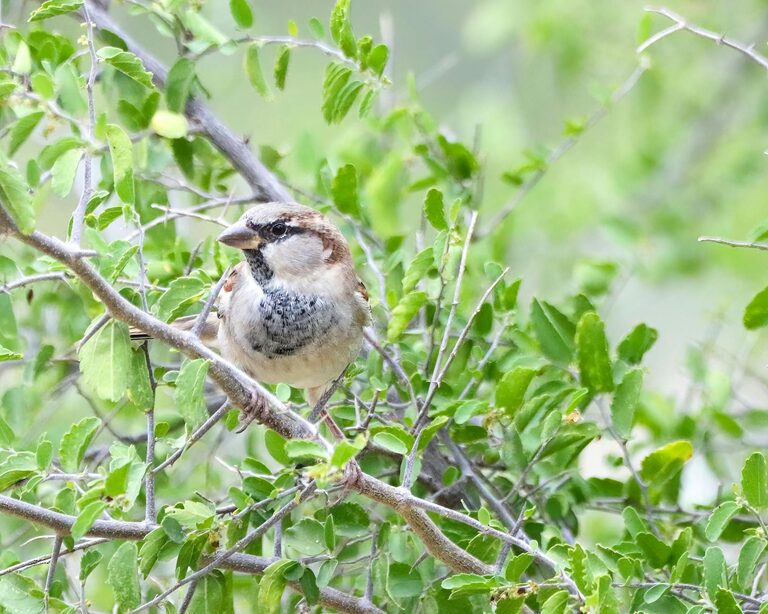
Birdwatching can be a relaxing and rewarding hobby, offering a chance to connect with nature right in your own backyard. Whether you live in the city or countryside, you can enjoy observing a variety of bird species with a little preparation and patience. This guide shares beginner tips to help you start backyard birdwatching and create a welcoming environment for your feathered visitors.
Setting Up for Success
Choose the Right Spot
Start by finding a comfortable and quiet spot in your yard where you can sit or stand for a while without disturbing the birds. Ideally, this area should have a good view of your feeders, birdbaths, or natural vegetation where birds are likely to appear.
Invest in Basic Gear
You don’t need expensive equipment to begin birdwatching. A good pair of binoculars enhances the experience by bringing distant birds into close view. Also, consider a bird identification book or app to help you recognize species you haven’t seen before.
Attracting Birds to Your Backyard
Provide Food Sources
Bird feeders are one of the easiest ways to attract birds. Different species prefer different seeds and snacks:
– Black oil sunflower seeds: Popular with many birds like finches and cardinals.
– Nyjer seeds: Attract finches such as goldfinches.
– Suet feeders: Great for woodpeckers and nuthatches.
– Fruit: Offer sliced apples, oranges, or berries for orioles and mockingbirds.
Make sure to clean your feeders regularly to keep birds healthy.
Offer Fresh Water
Birds need clean water for drinking and bathing. Use a shallow birdbath and change the water frequently. Adding a small fountain or dripper can attract more birds by creating movement and sound.
Create Shelter and Habitat
Incorporate native plants, shrubs, and trees to provide natural shelter and nesting spots. Avoid using pesticides or chemicals in your yard to keep the environment safe for birds and their food sources like insects.
Observing Birds Effectively
Be Patient and Quiet
Birds are easily startled by loud noises or sudden movements. Sit quietly and move slowly. Early morning or late afternoon are often the best times to watch since birds are most active then.
Keep a Bird Journal
Recording your sightings helps you track the variety of species visiting your yard and notice changes throughout the seasons. Note the date, time, bird type, and any interesting behaviors.
Learn Bird Calls and Songs
Listening for bird sounds can reveal species that may be hidden from view. There are many online resources and apps that can help you learn common calls in your area.
Troubleshooting Common Challenges
No Birds Visiting?
Check your feeder placement—avoid locations that are too exposed or near heavy foot traffic. Ensure the food and water are fresh. Adding native plants and shrubs can also make your yard more inviting.
Squirrels or Pests Taking Over
Squirrels often raid feeders, but you can buy squirrel-proof feeders or place feeders on poles with baffles. Keep feed off the ground to discourage rodents.
Keeping It Safe for Birds
Place feeders away from windows or use bird-safe window decals to prevent collisions. Regularly clean feeders and baths to prevent diseases.
Enjoying the Journey
Backyard birdwatching is a wonderful way to slow down and appreciate the natural world around you. As you gain experience, you may recognize more species, observe interesting behaviors, and develop a deeper connection to wildlife. Remember, the key is consistency and patience—birds will come in time!
Happy birdwatching!