
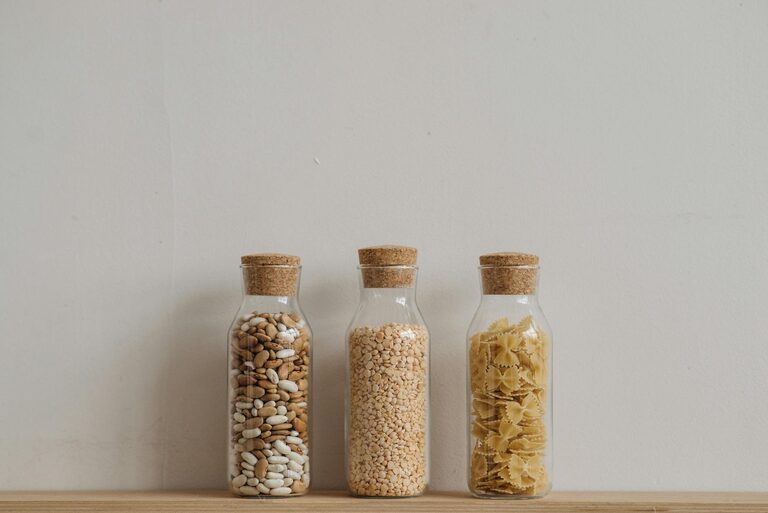
Keeping your fridge and pantry tidy is not only about having a neat kitchen—it also helps you save money, reduce food waste, and make meal preparation easier. A well-organized food storage area means you can quickly find what you need and keep everything fresh longer. In this post, we’ll guide you through practical steps to maintain a clutter-free fridge and pantry.
Why Keeping Your Fridge and Pantry Tidy Matters
Before diving into the how-to, it’s important to understand the benefits of staying organized:
– Reduce Food Waste: You can easily see what you have and what’s about to expire.
– Save Time: Locate ingredients faster when cooking or grocery shopping.
– Maintain Food Safety: Proper storage prevents spoilage and contamination.
– Create a Pleasant Kitchen Environment: A tidy space feels cleaner and more inviting.
Now, let’s look at how you can achieve these benefits with simple habits and organization tips.
Organizing Your Fridge: Step-by-Step
1. Clean and Empty the Fridge Regularly
Start by taking everything out of your fridge and wiping down shelves and drawers with a mild cleaner or a mix of water and baking soda. This removes spills and bacteria that can cause odors or contamination.
2. Sort and Toss Expired Items
Check expiration dates and discard anything past its prime. Also, toss spoiled foods or items you haven’t used in a long time. Group similar items together for easier access.
3. Use Clear Storage Containers
Invest in transparent containers to store cut vegetables, leftovers, and snacks. Clear containers help you see contents quickly and keep the fridge looking orderly.
4. Label Everything
Add labels with expiration dates or contents to containers and jars. This helps everyone in the household know what’s inside and reduces confusion.
5. Arrange Items By Zones
Organize your fridge into zones based on temperature and ‘use frequency’:
– Top Shelves: Ready-to-eat foods like leftovers, drinks, and deli meats.
– Middle Shelves: Dairy products such as milk, yogurt, and cheese.
– Bottom Shelves: Raw meat, fish, and poultry (stored on a plate or tray to catch drips).
– Drawers: Fruits and vegetables (use the crisper drawers control humidity settings).
– Door: Condiments and frequently used items (avoid storing milk here since the door temperature fluctuates).
6. Don’t Overcrowd
Avoid stuffing the fridge full. Leave space for air to circulate to keep foods fresh longer.
Maintaining Your Pantry: Organization Tips
1. Clear Everything Out and Clean
Like the fridge, start with an empty pantry. Wipe shelves down and check for pests or mold.
2. Categorize Your Items
Group similar items together:
– Baking supplies (flour, sugar, baking powder)
– Grains and pasta
– Canned goods
– Snacks
– Spices and condiments
– Breakfast cereals
Having categories helps you know where everything belongs.
3. Use Storage Containers and Bins
Transfer bulk items like rice, flour, and beans into airtight containers. These keep food fresh and prevent pests. Use bins or baskets to keep smaller packages organized.
4. Label All Containers and Shelves
Labels maintain order and simplify restocking.
5. Rotate Products: First In, First Out (FIFO)
When you buy new items, place them behind older ones. This method ensures you use older products first and reduce waste.
6. Store Heavy Items on Lower Shelves
Place heavy or bulky items at the bottom to avoid accidents and make them easier to reach safely.
7. Adjust Shelving to Fit Your Needs
If your pantry shelves are adjustable, arrange them to maximize space. Taller shelves can accommodate large containers or cereal boxes.
Simple Daily Habits to Keep Things Tidy
– Do a Quick Scan Weekly: Take a moment once a week to check your fridge and pantry for expired food.
– Wipe Spills Immediately: Clean up spills as soon as they happen to prevent sticky messes and stains.
– Plan Your Meals: Use what you have on hand to avoid buying duplicates.
– Shop with a List: Stick to a list to reduce impulse buys that clutter your storage spaces.
– Encourage Household Participation: Make organization a shared task.
Tools That Make Organizing Easier
– Lazy Susans: Great for corners or deep shelves for easy access.
– Stackable Bins: Save space vertically.
– Door Organizers: Ideal for spices, condiments, or small bottles.
– Dry-Erase Boards or Chalk Labels: Handy for keeping track of contents and dates.
– Fridge Thermometer: Helps maintain a safe storage temperature.
Final Thoughts
Keeping your fridge and pantry tidy doesn’t have to be a chore. With a little planning, the right tools, and simple routines, you can maintain an organized kitchen that supports healthy eating and life’s busy pace. Remember, the key is consistency. Take small steps today for a more efficient and enjoyable kitchen tomorrow!
—
Feel free to share your own organization tips or ask any questions in the comments below!