
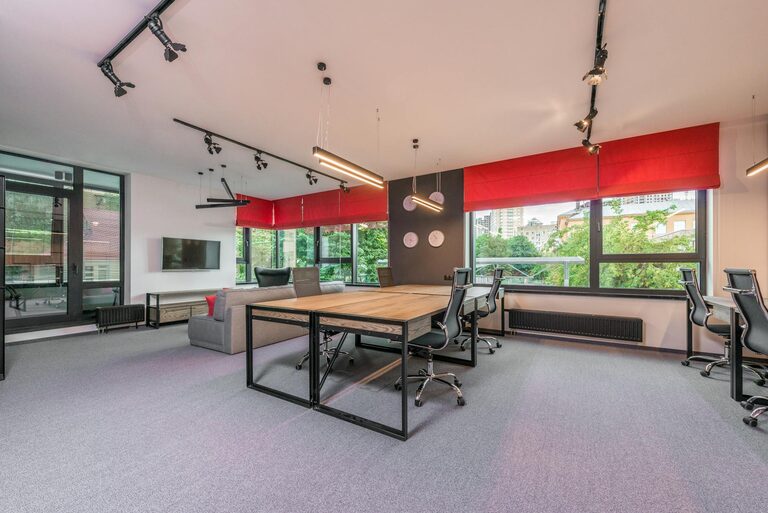
Creating a comfortable and efficient workspace often starts with choosing the right desk chair. Since many of us spend hours sitting at our desks, having a chair that supports good posture and reduces discomfort is essential for both health and productivity. But with so many options on the market, how can you find a chair that truly fits your needs? This guide offers practical tips to help you select a comfortable desk chair that will keep you comfortable throughout your workday.
Why a Comfortable Chair Matters
Before diving into the selection tips, it’s important to understand why comfort in a desk chair should be a priority. An uncomfortable chair can lead to poor posture, muscle strain, and back pain, which may affect your focus and wellbeing. A well-designed chair supports your body’s natural curves and encourages healthy sitting habits, which helps prevent discomfort and fatigue.
Key Factors to Consider When Choosing a Desk Chair
1. Adjustable Features
Look for a chair with adjustable options such as seat height, armrests, backrest angle, and lumbar support. Adjustability allows you to customize the chair to your body size and your desk setup, promoting better posture.
– Seat Height: Your feet should rest flat on the floor or on a footrest, with your knees at roughly a 90-degree angle.
– Armrests: Adjustable armrests support your arms while typing, reducing shoulder and neck strain.
– Backrest Tilt and Angle: Being able to recline slightly gives your spine relief and encourages movement.
– Lumbar Support: Proper lower back support maintains the natural curve of your spine.
2. Seat Comfort and Cushioning
A chair’s seat padding can make a big difference in comfort. Look for chairs with enough cushioning that is firm but not hard. High-density foam or memory foam materials often provide good balance. The seat should have a waterfall edge – a front edge that curves down slightly – to reduce pressure on the back of your legs.
3. Chair Size and Weight Capacity
Make sure the chair dimensions suit your body size. The seat width and depth should accommodate you comfortably. Additionally, check the weight capacity of the chair to ensure durability and safety.
4. Backrest Design
A supportive backrest often dictates overall comfort. Chairs come with different backrest heights; if you spend many hours seated, a high-back chair offering neck and head support might be preferable. Also, breathable materials like mesh improve airflow and reduce sweating.
5. Mobility and Stability
If your workspace involves moving around, a swivel chair with wheels can improve mobility. Consider whether you need smooth rolling for hard floors or a different type of caster for carpets. The chair should have a stable base, typically with five legs for balance.
6. Material and Durability
The chair’s material affects both comfort and maintenance. Mesh chairs are breathable and easy to clean, while leather or fabric options might offer different looks and feels. Evaluate which material suits your climate, style preferences, and maintenance willingness.
Tips for Testing a Chair Before Buying
– Sit for Several Minutes: Try to sit in the chair for a good amount of time, ideally 10–15 minutes, to feel how it supports you.
– Adjust the Chair: Test all adjustable components to see how smoothly they operate.
– Mimic Your Work Habits: Pretend to type, write, or scroll – just as you would in your daily routine – to check comfort under real conditions.
– Check Movement: Move the chair around and test its wheels or swivel to ensure it’s stable but easy to move.
– Read Reviews: Online feedback can reveal insights about comfort, durability, and customer satisfaction.
Additional Comfort Tips
– Use a Footrest if Needed: If your feet don’t comfortably reach the floor, a footrest helps maintain proper posture.
– Consider Ergonomic Accessories: Sometimes adding padded armrest covers or back cushions can increase comfort.
– Maintain Good Posture: Even the most comfortable chair needs to be combined with mindful posture habits to prevent strain.
Budget Considerations
Comfort often comes with a price, but investing wisely can save you from future health issues and discomfort. It’s a good idea to set a budget but remain flexible for key ergonomic features. Sometimes spending a little more upfront makes a big difference long-term.
Conclusion
Choosing the right desk chair involves considering your body, workspace, and personal preferences. Focusing on adjustability, support, and comfort materials will guide you toward a chair that helps you work comfortably for hours. Remember to test chairs when possible and pay attention to how your body feels. With the right chair, your workspace becomes a healthier and more enjoyable place to be.
By taking time to select a comfortable desk chair today, you’re making an investment in your comfort, health, and daily productivity. Happy sitting!